Epidemiologist

Epidemiologist
Epidemiologists help with study design, collection and statistical analysis of data, and interpretation and dissemination of results (including peer review and occasional systematic review). Epidemiology has helped develop methodology used in clinical research, public health studies and, to a lesser extent, basic research in the biological sciences
Tampilkan postingan dengan label Communicable Diseases. Tampilkan semua postingan

Jumat, 22 November 2013

10 Cara Mencegah Penyakit FLu

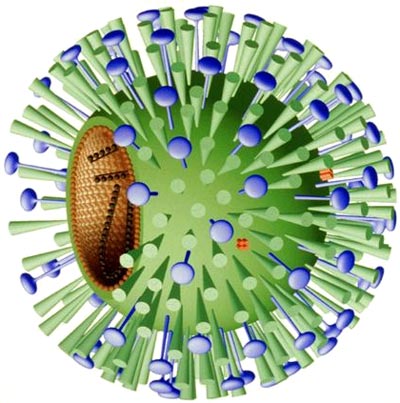
virus influenzaFLU tergolong penyakit yang mestinya dapat dicegah. Banyak kasus flu yang sebetulnya tak perlu diderita hanya karena lalai atau mungkin tidak tahu caramencegahnya.
Jangan anggap enteng flu. Khusus bagi yang sudah berusia lanjut, serangan flu umumnya lebih berat dibanding bila menimpa mereka yang lebih muda. Selain karena sistem kekebalan tubuh mereka yang memasuki usia uzur sudah kian menurun, tipe virus flu yang masuk ke dalam tubuh juga belum tentu sama.
Kita mengenal tiga keluarga besar tipe virus flu (tipe A, B, dan C). Masing-masing tipe punya sekian banyak anggota keluarganya sendiri. Virus flu burung H5N1,  misalnya, tergolong dalam keluarga besar virus flu tipe A. Sekerabat dengan itu kita mengenal juga strain virus H3N2 (Shangdong dan Beijing), H1N1 (Texas dan Singapura), dan banyak lagi lainnya, selain tipe B Panama dan Yamagata.
Perangai anggota keluarga masing-masing tipe virus flu juga tidak sama derajat keganasannya. Ada yang jinak, ada pula yang ganas luar biasa. Flu yang lazim menyerang penduduk Eropa, misalnya, tidak seperti di Indonesia, umumnya tergolong jenis virus flu yang ganas, dan sering amat mematikan. Wabah flu awal abad XX di Spanyol, menelan ratusan ribu korban tewas.
Oleh karena tidak semua virus, termasuk virus flu, ada obat antinya, kunci pamungkas mencegah virus flu masih tetap hanya ada dua cara, yakni dengan meningkatkan daya tahan tubuh dan mengurangi kemungkinan tubuh dimasuki oleh virus.
Di bawah ini beberapa tip bagaimana agar flu yang mengancam di musim penghujan ini tidak sampai menimpa kita. Apa sajakah yang perlu dikerjakan?
1. Minta vaksin flu. Bagi yang sudah uzur dianjurkan untuk mendapatkan suntikan vaksin flu selama musim flu datang. Namun, tidak semua jenis virus bisa ditangkal dengan vaksin flu.
Dari waktu ke waktu vaksin flu disempurnakan dengan kandungan jenis-jenis vaksin oleh tipe virus flu yang tengah menimbulkan wabah. Namun, selain berbeda tipe virusnya, bukan kejadian jarang muncul jenis virus yang lolos dari upaya penangkalan, saking beragamnya jenis dan strain virus flu yang ada. Belum lagi kemungkinan virusnya berubah tabiat (mutasi), sehingga sebuah vaksin menjadi tak lagi poten menangkalnya.
2. Jauhi diri dari paparan dingin. Orang Barat menjuluki flu sebagai catch cold atau terpapar dingin. Memang, semakin lama dan sering tubuh terpapar yang serba dingin (udara, air mandi, ruangan berpendingin, minuman dingin, angin), semakin lemah ketahanan tubuh, dan kian rentan untuk gampang terserang virus (apa saja).
Kita tahu, bibit penyakit virus hanya bisa dilawan dengan mengandalkan daya tahan tubuh. Kalau daya tahan menurun, pertahanan tubuh akan jebol, dan flu atau penyakit oleh virus lainnya berpotensi bakal menjangkiti. Hanya bila pertahanan tubuh kokoh saja, virus yang sudah masuk ke dalam tubuh akan bisa ditumpas dan orang batal jatuh sakit flu.
Itu sebab selama tubuh hanya ditumpangi oleh virus flu saja, pemberian obat antibiotika, yang paling kuat sekalipun, menjadi mubazir karena virus tak bisa ditumpas oleh antibiotika jenis dan generasi apa pun. Selain sia-sia mengeluarkan uang untuk yang tak perlu, tubuh sudah dibebani oleh efek samping antibiotikanya.
Kasus flu sejatinya tidak perlu diberi antibiotika. Di Indonesia, flu umumnya dianggap penyakit enteng. Orang masih tetap melakukan aktivitas hariannya di kantor, sekolah, dan kegiatan luar rumah lainnya.
Penyakit flu yang tadinya hanya dihuni oleh virus saja, akibat tubuh dalam kondisi sudah diperlemah oleh serangan virus, bibit penyakit lain akan mudah ikut mendompleng memasuki tubuh, lalu muncul penyakit baru. Dengan cara itu, penyakit flu di Indonesia umumnya sering berkepanjangan, dan malah bisa berkomplikasi.
Tidak jarang flu berkembang menjadi infeksi THT lain (infeksi tenggorok, kerongkongan, hidung, atau congekan), selain kemungkinan terinfeksi oleh kuman pendompleng yang memasuki paru-paru juga (bronchopneumonia, pneumonia).
Itu pula alasan kenapa mereka yang sedang flu sebaiknya tinggal di rumah. Selain berpotensi merugikan diri sendiri, dalam keadaan flu berada di luar rumah akan menyebarkan virusnya ke udara di sekitar pasien, terlebih bila berada di ruangan (yang dirancang tertutup tak berventilasi) berpendingin.
3. Perkuat tubuh. Dengan beristirahat dan menu bergizi tinggi selama musim hujan, tubuh diperkuat ketahanannya. Selain dengan cara menghangatkan tubuh (minum hangat, mandi hangat, balur obat gosok), pilih pula menu bergizi tinggi, khususnya berpotein tinggi (telur, susu, daging), tak cukup menu sayur-mayur belaka (sayur bening).
Orang Barat biasa menghidangkan sup ayam hangat selama tubuh terpapar di udara dingin. Hindarkan mandi hujan, embusan angin, berada di udara terbuka. Buat kita dapat memilih minuman penghangat badan (wedang jahe, bandrek, bajigur, atau sekoteng), khususnya sehabis tubuh mandi hujan, berenang dingin, wisata pantai.

4. Hindari pergi ke tempat-tempat keramaian.
 Selagi musim hujan, dan banyak orang sedang sakit flu, sebaiknya tidak bepergian ke tempat-tempat keramaian kalau tidak perlu sekali. Kalau bisa ditunda sebaiknya tidak mengunjungi pasar tradisional, supermarket, mal, bioskop, terminal, stasiun, ruang tunggu puskesmas, rumah sakit, sekolah, ruang pesta. Di tempat-tempat orang berkerumun, virus flu, termasuk jenis virus lain, terbang bertebaran di udara, dan hidung kita menghirup udaranya.
5. Jangan  Merokok dan Minum alkohol. Kedua jenis zat ini berpotensi menurunkan ketahanan tubuh. Merokok ”melukai” selaput lendir saluran napas, sehingga menjadikan saluran napas lebih rentan dimasuki virus. Ruangan yang berasap rokok, memperlemah kondisi saluran napas orang-orang yang menghirupnya juga (passive smoker).
6. Rajin basuh tangan dengan sabun. Tangan dan jemari kita dapat menjadi sumber pemindahan virus yang melekat dari lingkungan tempat kita melakukan aktivitas, seperti kantor, sekolah, dan kamar kecil di tempat-tempat umum. Studi tentang ini sudah dikerjakan sewaktu SARS mewabah dulu.
Tangan kita tentu bersentuhan dengan pegangan pintu kamar mandi, pintu mobil, tombol lift, gagang telepon, lembaran atau kepingan uang, permukaan meja, kursi, dan segala yang disentuh banyak orang. Dari sana virus yang sudah mencemari segala yang disentuh (oleh pengidap flu) bisa berpindah ke jemari tangan kita.
Pengidap flu perlu tahu diri untuk tidak seenaknya bersin dan batuk-batuk di rungan yang banyak orangnya, selain sepatutnya rajin membasuh tangan juga (sebab pasti sudah memegang liang hidung dan mulutnya yang bervirus).
Orang lain yang berdekatan dengan pasien flu, berbicara, dan terancam cemaran virusnya, perlu lebih sering membasuh tangan, dan tidak sembarang memegang hidung (mengupil, membersihkan liang hidung), atau mulut. Biasakan menggunakan saputangan, atau tisu, untuk membersihkan liang hidung atau mulut. Lewat kedua liang itulah virus flu akan memasuki tubuh, termasuk virus flu burung (avian influenzae).
7. Membersihkan liang hidung setiap pulang bepergian. Ya, selama bepergian ke luar rumah, terlebih selama musim flu berjangkit, nyaris tak ada udara yang tidak tercemar virus flu, terlebih di lingkungan yang ada pasien flu. Hampir pasti udara yang kita hirup selama di luar rumah, ada virus flunya. Termasuk bila di rumah ada yang sedang sakit flu.
Bagaimanapun keadaannya, jauh lebih baik bila segera membersihkan liang hidung dengan sabun, setiap kali pulang bepergian, sambil berulang-ulang dengan cara sekuat-kuatnya mengembus-embuskan udara hidung selama dibersihkan. Dengan cara demikian sekurang-kurangnya gerombolan virus yang mungkin sudah mengendon di situ akan terpelanting keluar dari liang hidung sebelum sempat bersarang, dan berbiak.
8. Berkumur-kumur, dan tidak kurang tidur. Virus flu memasuki tubuh lewat liang hidung dan rongga mulut. Selain saluran hidung harus terjaga bersih, mulut pun perlu kokoh pertahanannya. Untuk itu ada baiknya lebih sering berkumur.
Selain bisa memilih seduhan daun sirih (ada daya antisepsisnya), dapat juga memakai obat kumur yang dibeli bebas di apotek. Dengan cara demikian kita berupaya mengenyahkan bibit penyakit yang mungkin sudah mulai mengendap di rongga mulut, termasuk bila yang masuk virus flu.
Selain berkumur, tentu menggosok gigi, khususnya sebelum tidur malam. Rongga mulut yang kotor juga memperlemah ketahanannya. Terlebih pada mereka yang sudah tidak memiliki amandel (kelenjar tonsilnya sudah diangkat), sehingga tak punya pasukan penjaga rongga mulutnya dari ancaman bibit penyakit. Termasuk mereka yang gigi-geliginya sudah keropos, terinfeksi, dan membusuk akar giginya. Mereka lebih rentan terinfeksi rongga mulutnya.
9. Lakukan olah napas. Ya, daya tahan tubuh juga membutuhkan asupan oksigen yang lebih penuh. Upaya olah napas, yakni dengan cara menghela napas (di udara segar terbuka) seberapa dalam kita mampu, dan menahannya seberapa lama kita bisa, akan lebih membugarkan paru-paru. Paru-paru yang bugar, yang lebih deras aliran darahnya, dan meningkat sistem kekebalan lokalnya, akan lebih diberdayakan untuk mampu mengenyahkan bibit penyakit.
Untuk menyempurnakan hasil olah napas, sertai pula dengan gerak badan yang memadai seperti berjalan kaki dan bersenam. Faktor stres fisik, selain stres mental, juga menambah rentan tubuh seseorang terserang virus flu. Keletihan yang berlebihan (akibat bekerja maupun latihan fisik) tidak dianjurkan selama musim flu.

10. Cukup tidur dan tidak begadang. 
Tantangan orang sekarang adalah acap tergoda oleh begitu banyak iming-iming tontonan televisi, hiburan, dan kegiatan bareng di luar rumah di waktu jeda.
Salah satu ancaman penyakit yang banyak menimpa orang sekarang sering sebab kekurangan waktu jeda. Sudah letih di kesibukan siang hari, malamnya sering kurang waktu tidur. Alih-alih sempat tidur siang (seperti orang dulu), tidur malam juga sering tak memadai.
Kondisi kurang jeda, kurang tidur, dan tidur pun tidak nyenyak (sebab stres, terlampau letih), yang menambah rentan tubuh diserang virus umumnya, virus flu khususnya.
Bila mulai terasa badan mulai pegal-pegal, kepala pening, mata terasa panas, mulai bersin dan batuk-batuk kecil, kemungkinan gejala awal flu. Itulah saatnya langsung minum obat flu merek apa saja, dan tidur setelah makan sup atau minuman hangat. Biasanya dengan cara itu flu batal muncul.
Namun, obat warung tidak kuasa menahan laju perjalanan penyakit flu bila sudah telanjur berat. Percuma terus mengonsumsi obat flu saja bila flu sudah lebih dari seminggu, dan gejalanya bertambah berat. Lendir yang semula bening encer sudah berubah kental berwarna, itu berarti flu sudah ditunggangi oleh bibit penyakit lain. Inilah saatnya obat flu perlu didampingi oleh antibiotika.
Di zaman semakin banyak hiburan tengah malam, coba untuk tidak selalu mengikuti kata hati, kendatipun demi si jantung hati. Mereka yang tengah mengidap penyakit menahun (kencing manis, gagal ginjal, penyakit jantung, kanker) tentu lebih ”lemah” dibanding orang normal.

MENCEGAH INFLUENZA DENGAN GAYA HIDUP SEHAT

MENCEGAH INFLUENZA DENGAN GAYA HIDUP SEHAT


Influenza sering kali disamakan dengan pilek. Padahal, pilek hanyalah salah satu dari gejala influenza. Influenza adalah infeksi virus yang menyerang saluran pernapasan termasuk saluran hidung.

Influenza adalah penyakit menular yang tergolong dalam kategori self limiting. Artinya, jika tidak disertai komplikasi penyakit lain, setelah 4-7 hari, flu akan sembuh, asalkan tubuh diberi kesempatan meningkatkan daya tahan terhadap pengaruh dari luar.

Influenza merupakan salah satu penyakit yang disebabkan oleh virus. Ada tiga tipe virus penyebab influenza, yaitu A, B, dan C. Ketiga tipe ini dapat dibedakan dengan pemeriksaan laboratorium. Tipe A merupakan virus penyebab influenza yang bersifat epidemik, yaitu yang penyebarannya sangat luas. Tipe B biasanya hanya menyebabkan penyakit yang ringan, tapi kadang-kadang dapat juga menyebabkan epidemik. Sedangkan tipe C bukan merupakan virus yang berbahaya bagi manusia. Diketahui juga bahwa influenza merupakan penyakit infeksi saluran pernafasan akut yang disebabkan oleh virus orthomyxovirus golongan RNA.

Gejala-gejala
Menurut dr Fatimah Eliana SpPD dari Rumah Sakit Mitra Kemayoran, Jakarta Pusat, serangan penyakit ini tercatat paling tinggi pada musim hujan di negara tropik dan pada musim dingin di negara beriklim dingin.

“Ada penyakit yang gejalanya hampir mirip dengan influenza, yaitu Infeksi Saluran Pernapasan Akut (ISPA),” katanya Influenza bisa sembuh dengan sendirinya, tapi ISPA tidak.

Gejala influenza diawali dengan demam, sakit kepala, dan sakit otot. Kemudian diikuti dengan batuk, pilek, nyeri menelan, dan suara serak. Keadaan ini dapat terjadi selama beberapa hari dan hilang dengan sendirinya. Setelah episode sakit ini, penderita mengalami rasa letih selama beberapa hari. Tapi pada umumnya ciri khas yang tampak dari penyakit ini berupa gangguan pernapasan yang timbulnya mendadak seperti panas tinggi dan hidung tersumbat.

“Pada pasien usia lanjut, wanita hamil, atau penderita dengan kekebalan tubuh yang menurun, dapat terjadi komplikasi pada paru akibat infeksi sekunder oleh bakteri streptococcus pneumonia, Hemophilus influenza atau Staphylococcuc aureus,” terangnya.

Masa inkubasi penyakit ini sekitar 1-4 hari. Orang dewasa sudah mulai terinfeksi sejak sehari sebelum timbulnya gejala influenza hingga lima hari setelah mulainya penyakit ini. Sedangkan anak-anak dapat menyebarkan virus ini sampai lebih dari sepuluh hari.

“Pada beberapa kasus, influenza ditandai dengan demam tinggi,” katanya.

Bagi sebagian orang yang sudah memiliki gangguan paru dan jantung, influenza dapat menimbulkan penyakit radang paru-paru sekunder.

Diagnosa dan Pengobatan

Diagnosa dilakukan dengan mengenali gejala-gejala dari pasien. “Biasanya dari gejala yang timbul dari pasien kita akan tahu,” imbuhnya. Selain itu, ada pula pemeriksaan cairan yang keluar dari hidung dengan pemeriksaan laboratorium.

Pengobatan influenza umumnya hanya untuk mengatasi gejalanya saja, seperti minum air yang banyak dan menghindari alkohol dan rokok. Bila perlu, dapat diberikan parasetamol (acetaminophen) untuk menurunkan demam dan mengurangi nyeri otot. Pemberian antibiotik dapat dilakukan bila terdapat infeksi sekunder yang ditandai dengan batuk berdahak atau pilek dengan cairan berwarna kuning atau hijau kental.

Pemberian obat antivirus cukup efektif, namun sering kali virus influenza sudah resisten terhadap obat intivirus tersebut.

“Ada dua jenis obat antivirus yang sering digunakan, yaitu jenis inhibitor neuraminidase seperti oseltamivir dan zanamivir dan jenis inhibitor protein M2. Inhibitor neuraminidase saat ini lebih banyak digunakan karena efektif dan efek sampingnya minimal,” ujarnya.

Virus influenza dapat diinaktivasi dengan cahaya matahari, desinfektan, dan detergen. Oleh karena itu, pencegahan influenza dapat dilakukan dengan menjaga sanitasi lingkungan, sering mencuci tangan dengan sabun atau cairan oencuci tangan yang mengandung slkohol, menghindari kontak dengan orang sakit, tidak membuang ludah sembarangan, dan beristirahat bila sedang sakit. Vaksin influenza terutama diberikan kepada kelompok populasi risiko tinggi seperti anak-anak, usia lanjut, penderita asma, diabetes, pemyakit jantung, kanker, HIV, pasca transplantasi, dan penderita dengan imunitas yang rendah lainnya. Efektivitas vaksin ini sangat bervariasi, tergantung pada penderitanya, jenis vaksin yang diberikan, dan jenis virusnya. Karena mutasi virus yang sangat tinggi, umumnya vaksin ini hanya memberikan perlindungan selama satu tahun.

Selain itu, perbanyak konsumsi air putih. Jika dalam kondisi normal Anda mengkonsumsi 6 hingga 8 gelas sehari, ketika terserang pilek, sebaiknya Anda meningkatkan konsumsi air hingga 10 gelas. Air dapat menghanyutkan virus dari tubuh Anda dalam berbagai bentuk seperti keringat dan air seni. Untuk mengatasi sakit tenggorokan bisa juga dengan mengonsumsi tablet antiseeptik untuk melegakan tenggorokan.

Para penderita diminta untuk tidak menyentuh makanan yang mengandung gula seperti kue, es krim, dan makanan manis lainnya. Kandungan gula dalam darah akan menurunkan daya tahan tubuh terhadap infeksi. Mengonsumsi buah-buahan, sari buah atau jus akan mempercepat proses pemulihan tubuh.

Penggunaan obat flu tidak ditujukan untuk jangka lama. Jika gejala flu tidak berkurang atau semakin berat setelah minum obat flu selama tiga hari, pasien segera berkonsultasi dengan dokter. Obat flu dapat diperoleh tanpa resep doket karena merupakan golongan obat bebas. Untuk itu, pasien harus berhati-hati. Obat itu harus disesuaikan dengan gejala-gejala flu yang ada.

Cara Alami Mengatasi Penyakit Flu Influenza

Penyakit flu sering terjangkit ketika terkena hujan setelah sekian lama tidak turun hujan, atau bisa saja penyakit ini terjangkit akibat bakteri yang disebarkan oleh penderita penyakit flu atau influenza ini. Penyakit Flu walaupun kesannya tidak parah tetapi penyakit sering membuat kita tidak gairah atau semangat dalam menjalankan aktifitas sehari-hari.
Mengatasi Penyakit Flu Influenza
Dalam postingan ini kita akan berbagi tips dan cara alami mengatasi penyakit flu atau dalam bahasa jawa dikatakan dengan nama meriang, ada juga penyakit ini disebut dengan nama selsema, pilek. Untuk menurunkan gejala penyakit ini ada beberapa cara dan tips yang bisa kita lakukan. Mari kita lihat bersama cara-caranya.

Cara Alami Mengatasi Penyakit Flu Influenza

  1. Sering-sering membuang lender hidung. Ketika diserang penyakit kita pasti banyak mengeluarkan ingus atau lendir hidung, dengan sering mengeluarkan lendir ini hidung kita akan lega, dan bakteri flu akan terbuang, maka seringlah membuang lendir hidung.
  2. Perbanyak Istirahat. Ketika awal-awal anda diserang flu, segera ambil kesempatan untuk istirahat cukup, karena dalam fase ini tubuh anda mencurahkan energi untuk melawan virus influenza, jadi jangan beraktivitas walau hanya menonton atau hal lain yang anda anggap ringat, tetapi istirahat atau tidur.
  3. Berkumur-kumur. Hal lain yang bisa anda usahakan adalah dengan berkumur-kumur, anda bisa menggunakan air larutan garam untuk berkumur atau melembabkan tenggorokan anda yang sedang meradang. Selain air garam, anda juga bisa berkumur dengan air perasan lemon, caranya: ambil satu sendok makan air lemon campurkan dengan segelas air, kemudian aduk merata dan tambahkan satu sendok makan madu, dinginkan air hangat ini pada suhu kamar.
  4. Minum minuman hangat. Minuman sangat membantu dalam menyembuhkan penyakit flu, minuman hangat bisa melegakan pernafasan, menghilangkan dehidrasi dan bisa membuat tenggorokan menjadi lebih nyaman.
  5. Makan alakadar (secukupnya). Ketika seseorang diserang influeza, biasanya nafsu makan menurun. Ini sepertinya adalah gejala alami dari pertahanan terhadap tubuh. Kalau anda makan dalam banyak maka energi yang seharusnya digunakan untuk menyembuhkan flu dialihkan untuk menguraikan makanan. Sehingga penyakit flu lama sembuhnya. Makanlah secukupnya saja ketika flu menyerang.
  6. Menggunakan salep menthol. Pakai saleb mentholo dibawah hidung anda, dengan cara ini mampu mengatasi hidup anda yang tersumbat, dan bisa melegakan pernafasan anda. Menthol juga bisa mengeluarkan aroma yang bisa merangsang produksi lendir dalam hidung, sehingga lendir lama dapat dikeluarkan.
  7. Bersauna (mandi Uap). Dengan mandi uap ketika flu akan melembabkan rongga hidung serta membuat tubuh menjadi rilex. Begitu juga menghirup beberapa tetes minyak kayu putih dalam semangkok air hangat bisa membantu proses penyembuahan penyakit flu ini.
  8. Tidur dengan meninggikan kepala. Tidur dengan kepala tinggi diatas tumpukan bantal bisa melegakan pernafasan kita, membuat rongga hidup leluasa untuk bernafas dan membuat tidur lega dan nyaman.
  9. Cara alami lain mengatasi penyakit flu adalah dengan meminum segelas air campuran 1 sdm madu dan 1/4 sdm bubuk kayu manis yang di aduk dalam segelas air hangat. lakukan langkah ini selama 3 hari, insya Allah penyakit flu segera sembuh.

Minggu, 29 September 2013

How do you prevent HIV?

How do you prevent HIV?

There is no cure for HIV, but there are ways to prevent getting the virus.
HIV is generally passed from person-to-person through sexual (anal, vaginal, or oral) contact or by sharing needles and other drug works. HIV can be prevented through abstinence, mutual monogamy, condoms, by not sharing needles and drug works (commonly referred to as paraphernalia), and by limiting the use of substances (i.e. alcohol and other non-injecting drugs) that impair judgment.
There is currently no vaccine for HIV. Researchers have been trying to find an HIV vaccine since the virus was first identified in 1984. HIV is a very complex virus, so researchers have not been successful in creating a vaccine, but they continue to try.

Abstinence
Abstaining from sex means not having any type of sex at all—oral, anal, or vaginal. Abstinence is 100% effective in preventing HIV and other STDs.
The decision to practice abstinence does not mean that you should not know about condoms and safe sex practices.  Most people stop being abstinent at some point in their lives.  Learning how to protect yourself from HIV allows you to be prepared in case you decide to have sex.

Monogamy
Mutual monogamy means that you agree to be sexually active with only one person, and that person has agreed to be sexually active only with you. Reducing your number of sexual partners can decrease your risk for HIV. It is still important that you and your partner get tested for HIV and share your test results with one another. Many people choose to continue using condoms in a mutually monogamous relationship for further protection from HIV and other STDs.

Condoms
When used consistently and correctly, condoms are highly effective in preventing HIV infection. If you are sexually active, latex condoms provide the best protection against HIV infection. Polyurethane or plastic condoms may also be used and are good options for people with latex allergies. Natural membrane (such as lambskin) condoms are porous, meaning that fluids can seep through them, and therefore do not offer the same level of protection against HIV and other STDs.
Male latex condoms, placed over the penis, offer greater protection from HIV than female condoms. However, using a female condom is better than not using any form of protection at all. Condoms should be used consistently—EVERY time you have sex. Be sure not to tear the condom when opening the wrapper. Open the wrapper carefully with your hands—never use your teeth. And always use a NEW condom with every act of vaginal, anal, or oral sex.
To use a male condom correctly
  • Before the penis comes into contact with the genitals, mouth, or anus, put the condom
    on the tip of the erect penis with the rolled side out.
  • If the condom does not have a reservoir tip, pinch the tip, leaving a half-inch space for semen to collect.
  • Holding the tip, unroll the condom all the way down to the base of the erect penis.
  • After ejaculation and before the penis gets soft, hold the rim of the condom (at the base of the penis) and carefully withdraw.
  • Gently pull the condom off the penis, making sure that semen doesn't spill out.
  • Wrap the condom in a tissue and throw it in the trash where others won't handle it.
  • If you feel the condom break at any point during sexual activity, stop immediately,  withdraw, remove the broken condom, and put on a new condom.
  • Ensure that adequate lubrication is used during vaginal and anal sex.
  • Use water-based lubricants.
  • Oil-based lubricants, such as petroleum jelly, shortening, mineral oil, massage oils, body                lotions, and cooking oil, should NOT be used because they can weaken latex, causing the           condom to break or tear.
  • Use a new condom for every act of anal, vaginal, and oral sex—from start to finish.

To use a female condom correctly
  • Put lubricant on the outside of the closed end.
  • Squeeze together the sides of the inner ring of the condom and insert it into the vagina             like a tampon.
  • With your finger, push the inner ring into the vagina as far as it will go.
  • The inner ring will stay in place, kind of like a diaphragm.
  • Pull out your finger, allowing the outer ring to stay outside the vagina.
  • Guide the penis into the condom.
  • Pull out gently.
  • Remove the condom before standing up.

How effective are latex condoms in the fight against HIV?

Latex condoms, when used consistently and correctly, are highly effective in preventing sexual transmission of HIV, the virus that causes AIDS. Research on the effectiveness of latex condoms in preventing heterosexual transmission is both comprehensive and conclusive. The ability of latex condoms to prevent transmission has been scientifically established.  It should be noted that condom use cannot provide absolute protection against HIV. The surest way to avoid transmission of HIV is to abstain from sexual intercourse or to be in a long-term mutually monogamous relationship with a partner who has been tested and you know is not infected.

Are health care workers at risk of getting HIV on the job?

The risk of health care workers being exposed to HIV on the job is very low, especially if they carefully follow universal precautions (i.e., using protective practices and personal protective equipment to prevent HIV and other blood-borne infections). It is important to remember that casual, everyday contact with an HIV-infected person does not expose health care workers or anyone else to HIV. For health care workers on the job, the main risk of HIV transmission is through accidental injuries from needles and other sharp instruments that may be contaminated with the virus; however, even this risk is small.

Drug and Alcohol Use

There are a couple of ways that drug and alcohol use can increase a person’s risk of HIV infection. One way is that using drugs and alcohol can reduce inhibitions and possibly increase the chance of one engaging in risky behaviors that can increase the risk of HIV exposure, such as unprotected sex.
Another way is that of using intravenous drugs (i.e., “shooting up”) and sharing needles or works (cooker, syringes, etc) with an infected person increases a person’s risk of HIV infection. If you use intravenous drugs, do NOT share needles or other drug works with another person. Many communities have needle exchange programs where people who are addicted to injection drugs can exchange used needles for new needles, and many pharmacies and medical specialty shops sell disposable needles and syringes.  You should never share needles and other drug works with anyone else. But, the unfortunate reality is that access to clean, new, sterile syringes is sometimes limited. 
If you inject illicit drugs, or if you are addicted to drugs and/or alcohol and are interested in treatment programs and other options that can help you, talk with your doctor or health care provider, counselor, loved one, or someone else you trust about getting into a treatment program.

Are there medications I can take that will keep me from getting HIV if I am exposed?

There may be. Promising research has shown that PrEP—Pre-Exposure Prophylaxis—may provide some protection against HIV infection.  PrEP trials involve the use of HIV treatment medications in an attempt to protect high-risk uninfected individuals from HIV infection. However, the research to date has only been shown to reduce HIV infection among gay and bisexual men, and transgendered women who have sex with men, and there are no data regarding its benefit among heterosexuals or injection drug users. There are many other important aspects to PrEP and its limitations in preventing HIV.


If I think I have been exposed to HIV, what are my options?

There is a treatment regimen called Post-Exposure Prophylaxis, or PEP that may be useful in preventing HIV infection. However, there are some things to keep in mind about PEP.
  • PEP is NOT a “morning after” pill. It is a round of several drugs that have to be taken for at least 30 days and are very expensive (anywhere from $600 to $1,000).
  • The medications have serious side effects.
  • There is no research to show that PEP works for non-work exposure.
  • The use of PEP for non-work-related exposure is controversial because of fear it will encourage risky behaviors. It’s important to keep in mind that even among health care workers, PEP is not 100% effective in preventing HIV.

Diphtheria Prevention

Prevention

Before antibiotics were available, diphtheria was a common illness in young children. Today, the disease is not only treatable but is also preventable with a vaccine.
The diphtheria vaccine is usually combined with vaccines for tetanus and whooping cough (pertussis). The three-in-one vaccine is known as the diphtheria, tetanus and pertussis vaccine. The latest version of this vaccine is known as the DTaP vaccine for children and the Tdap vaccine for adolescents and adults.
The diphtheria, tetanus and pertussis vaccine is one of the childhood immunizations that doctors in the United States recommend during infancy. Vaccination consists of a series of five shots, typically administered in the arm or thigh, given to children at these ages:
  • 2 months
  • 4 months
  • 6 months
  • 12 to 18 months
  • 4 to 6 years

The diphtheria vaccine is effective at preventing diphtheria. But there may be some side effects. Some children may experience a mild fever, fussiness, drowsiness or tenderness at the injection site after a DTaP shot. Ask your doctor what you can do for your child to minimize or relieve these effects.
Rarely, the DTaP vaccine causes serious complications in a child, such as an allergic reaction (hives or a rash develops within minutes of the injection), seizures or shock — complications which are treatable.
Some children — such as those with progressive brain disorders — may not be candidates for the DTaP vaccine.
You can't get diphtheria from the vaccine.

Booster shots

After the initial series of immunizations in childhood, you need booster shots of the diphtheria vaccine to help you maintain immunity. That's because immunity to diphtheria fades with time.
Children need their first booster shot at around age 12. The next booster shot is recommended 10 years later, then repeated at 10-year intervals. Booster shots are particularly important if you travel to an area where diphtheria is common.
The diphtheria booster is combined with the tetanus booster in one vaccine — the tetanus-diphtheria (Td) vaccine. This combination vaccine is given by injection, usually into the arm or thigh.
Doctors recommend that anyone older than age 7 who has never been vaccinated against diphtheria receive three doses of the Td vaccine.
The Centers for Disease Control and Prevention also recommend a one-time combined tetanus toxoid, reduced diphtheria and acellular pertussis (Tdap) vaccine for adolescents around the age of 12 and for anyone older than that who hasn't received the vaccine in the past — or doesn't know if they've received the vaccine. It's also recommended for anyone who's pregnant, regardless of previous vaccination status.

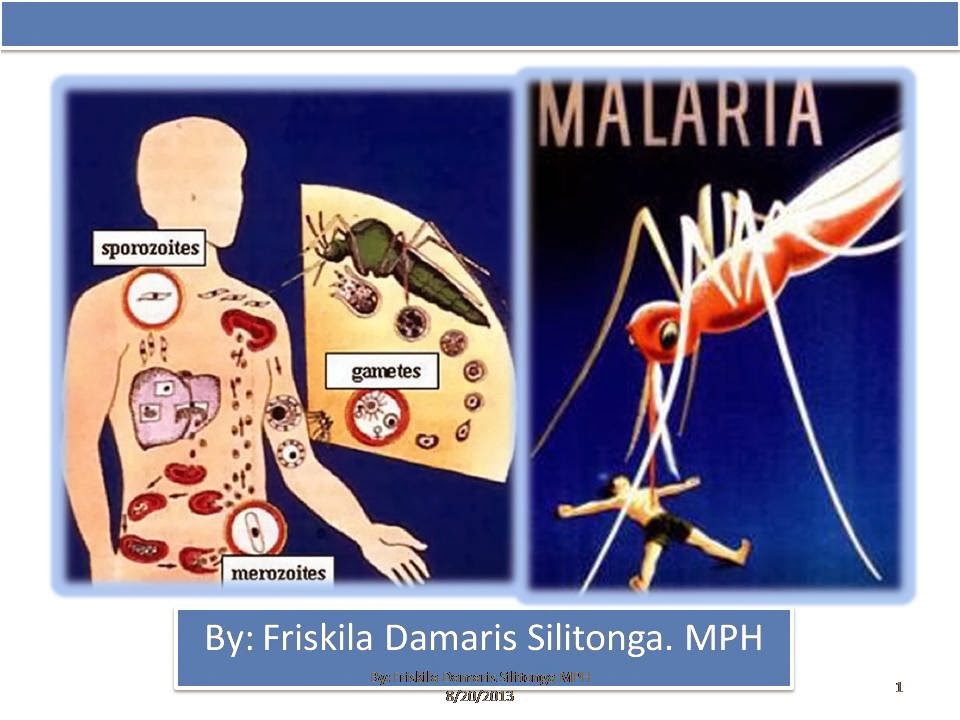
Malaria Prevention

Malaria Prevention


Malaria is a preventable and curable disease. Awareness and precautions, especially before travelling to an area endemic for malaria, is important for prevention of malaria. Travellers are most susceptible to bringing back infections. For example in 2010, over 1,700 travellers were diagnosed with malaria after returning to the UK. Most of these cases were acquired in Africa.

Four step approach to prevention

There is a four step approach to prevention of malaria:
1. Awareness of the risk of malaria and the risk of complications associated with it is the first step in prevention. Travellers to areas with a high incidence of malaria need to be aware of their risk and take adequate precautions.
2. Prevention of mosquito bites. A single bite is enough to transmit malaria infection. Adequate protection against mosquito bites is important. Simple measures like wearing covered clothes, using a mosquito net and using an insect repellent helps in preventing bites. Complete avoidance of bites is not possible however the number of bites may be reduced as much as possible.
All travellers and residents of high malaria risk areas are advised to stay indoors especially after dusk and keep doors and windows screened or closed to mosquitoes. A mosquito net especially ones treated with insecticide help prevent bites during sleep.
An insect repellent should be used on the skin and around the sleeping area. Those applied over the skin need to be re-applied frequently. The most effective repellents contain diethyltoluamide (DEET) and are available in sprays, roll-ons, sticks and creams.
Covered clothes also help prevent bites. Light colored, loose fitting, trousers, rather than shorts, and shirts with long sleeves are preferable particularly during early evening and at night when mosquitoes prefer to feed.
3. Antimalaria tablets for prevention of infection. A complete course of prescribed medication before, during and after travel is important in prevention of acquiring infections. This is called chemoprophylaxis and is useful for travellers.
Antimalarials are not 100% effective so taking steps to avoid bites is also important. Commonly prescribed drugs include Chloroquine, doxycycline, mefloquine, primaquin and atovaquone plus proguanil (Malarone) etc. Choloroquine needs to be taken for four weeks after return from travel. Malarone may be taken for one week after return.
Drug Adult dose
Atovaquone (250mg) plus proguanil (100mg) 1 tablet daily
Choloroquine 300mg base tablets once weekly
Doxycycline 100mg orally daily
Hydroxycholoroquine sulfate 310mg base once weekly
Mefloquine 228mg base once weekly
Primaquine 30mg base orally daily
4. Immediate diagnosis after onset of symptoms helps prevent complications of malaria. Symptoms could appear after a year after travelling and this needs to be considered while diagnosing and treating malaria.
Reviewed by April Cashin-Garbutt, BA Hons (Cantab)


Sources

  1. http://www.nhs.uk/Conditions/Malaria/Pages/Prevention.aspx
  2. http://www.bbc.co.uk/health/physical_health/conditions/malaria1.shtml
  3. http://www.cdc.gov/malaria/travelers/index.html
  4. http://www.niaid.nih.gov/topics/malaria/documents/malaria.pdf
  5. http://www.vaccinations.com.au/PDF/deseases/malaria.pdf

Vaccine 'clears HIV-like virus' in monkeys

Vaccine 'clears HIV-like virus' in monkeys

SIV  
The team looked at a form of SIV that is up to 100 times more deadly than HIV
A vaccine for the monkey equivalent of HIV appears to eradicate the virus, a study suggests.
Research published in the journal Nature has shown that vaccinated monkeys can clear Simian Immunodeficiency Virus (SIV) infection from their bodies.
It was effective in nine of the 16 monkeys that were inoculated.
The US scientists say they now want to use a similar approach to test a vaccine for HIV in humans.
Prof Louis Picker, from the Vaccine and Gene Therapy Institute at Oregon Health and Science University, said: "It's always tough to claim eradication - there could always be a cell which we didn't analyse that has the virus in it. But for the most part, with very stringent criteria... there was no virus left in the body of these monkeys."
Search and destroy The research team looked at an aggressive form of virus called SIVmac239, which is up to 100 times more deadly than HIV.
Infected monkeys usually die within two years, but in some inoculated primates the virus did not take hold.

Start Quote

It maintains an armed force, that patrols all the tissues of the body, all the time, indefinitely”
Prof Louis Picker Oregon Health and Science University
The vaccine is based on another virus called cytomegalovirus (CMV), which belongs to the herpes family.
It used the infectious power of CMV to sweep throughout the body. But instead of causing disease, it has been modified to spur the immune system into action to fight off the SIV molecules.
"It maintains an armed force, that patrols all the tissues of the body, all the time, indefinitely," explained Prof Picker.
The researchers gave rhesus macaque monkeys the vaccine, and then exposed them to SIV.
They found that at first the infection began to establish and spread. But then the monkeys' bodies started to respond, searching out and destroying all signs of the virus.
Of the monkeys that successfully responded to the vaccine, they were still clear of infection between one-and-a-half and three years later.
Prof Picker said his team was still trying to work out why the vaccination worked in only about half of the monkeys.
"It could be the fact that SIV is so pathogenic that this is the best you are ever going to get.
"There is a battle going on, and half the time the vaccine wins and half the time it doesn't," he said.
Human trials The researchers are now testing the vaccine to see if it can be used after SIV exposure to treat and potentially cure infected monkeys.
They also want to see if the technique could work in humans.
Prof Picker said: "In order to make a human version we have to make sure it is absolutely safe.
A rhesus macaque monkey  
The researchers now want to move from monkeys to test the vaccine in humans
 
"We have now engineered a CMV virus which generates the same immune response but has been attenuated [modified to lose its virulence] to the point where we think it is unequivocally safe."
This would first have to pass through the regulatory authorities, but if it does, he said he hoped to start the first clinical trials in humans in the next two years.
Commenting on the research, Dr Andrew Freedman, from Cardiff University School of Medicine, said: "This suggests that prophylactic vaccines - vaccines designed to prevent infection - using CMV vectors may be a promising approach for HIV.
"While they may not prevent the initial infection, they might lead to subsequent clearance, rather than the establishment of chronic infection."

Selasa, 17 September 2013

Diphtheria


Definition

Diphtheria is a contagious bacterial infection that mainly affects the nose and throat. Less commonly, it can also affect the skin. Diphtheria is a serious disease caused by a toxin (poison) made by bacteria. It causes a thick coating in the back of the nose or throat that makes it hard to breathe or swallow. It can be deadly. The DTaP vaccine protects against diphtheria.

Diphtheria is highly contagious. The bacteria spread when an infected person coughs or sneezes and droplets of their saliva enter another person's mouth or nose.

Diphtheria is very rare in England because most people have been vaccinated against it.

Diagnosing diphtheria

A diagnosis of diphtheria can be confirmed by taking a swab of the throat, nose or wound on the skin. A swab is similar to a cotton bud and collects a small sample of cells.

The sample will be examined under a microscope to see whether the bacteria that cause diphtheria are present.

Treating diphtheria

Diphtheria must be treated quickly to prevent serious complications developing. If diphtheria is suspected, treatment is therefore likely to begin before any test results are confirmed.

Diphtheria is treated with antibiotic and antitoxin medicine. Anyone suspected of having the condition will be put in isolation when they are admitted to hospital.

Children are particularly vulnerable to the effects of diphtheria. The most serious cases can be fatal.

An estimated 5-10% of people who get the infection will die from complications of diphtheria, such as breathing difficulties, inflammation of the heart (myocarditis) or problems with the nervous system.

Vaccination

All children should be vaccinated against diphtheria as part of the routine childhood vaccination schedule.
Adults should consider having a booster vaccine when travelling to parts of the world where diphtheria is widespread.


How common is diphtheria?

Before a vaccination programme was introduced in 1940, diphtheria was a very common condition and one of the leading causes of death in children.

The vaccination programme has been very successful. Since 1986, there have been only 15 recorded cases of diphtheria in England and Wales, and no deaths. Diphtheria is a notifiable disease, which means that if a doctor diagnoses the condition, they must tell the local authority.

Even though the incidence of diphtheria in England is low, there's a risk that an outbreak could occur if the number of people who are vaccinated falls below a certain level.

This risk was demonstrated by the diphtheria epidemic that struck the countries of the former Soviet Union between 1990 and 1998. It resulted in 157,000 cases and 5,000 deaths. The epidemic was caused by an increase in the number of children who were not vaccinated against the disease.

Symptoms of diphtheria
The symptoms of diphtheria usually begin two to seven days after you become infected.

The time it takes for symptoms to develop is called the incubation period.

Symptoms of diphtheria can include:

    a high temperature (fever) of 38ºC (100.4ºF) or above
    chills
    fatigue (extreme tiredness)
    sore throat
    hoarse voice
    cough
    headache
    difficulty swallowing or pain when swallowing
    difficulty breathing
    foul-smelling, bloodstained nasal discharge
    swollen glands (nodes) in the neck
    pale, blue skin

If you have diphtheria, a grey-white membrane can develop inside your throat. It covers the back of your throat and tonsils and can obstruct your breathing. The membrane will bleed if you try to remove it.

Diphtheria that affects the skin

Diphtheria can occasionally affect the skin rather than the throat. This is known as cutaneous diphtheria.
If you have cutaneous diphtheria, you will develop pus-filled spots on your skin, usually on your legs, feet and hands. These blisters and spots will form into a large ulcer surrounded by a red patch of discoloured, sore-looking skin. The ulcer usually heals within two to three months, but it's likely to leave a scar.

Asymptomatic diphtheria

People who have been vaccinated against diphtheria won't develop any symptoms if they become infected (asymptomatic diphtheria). However, it's still possible for these people to spread the infection to others.
Two types of bacteria can cause diphtheria.

They are:
    Corynebacterium diphtheriae
    Corynebacterium ulcerans

The bacteria spread when an infected person coughs or sneezes and droplets of their saliva enter another person's mouth or nose. Less commonly, the bacteria that cause diphtheria can be transferred by an infected person onto household items, such as glasses, towels or eating utensils.

Diphtheria is usually caught after being in close or prolonged contact with someone who has the condition or is carrying the infection. For example, you may catch diphtheria from someone you live with.

In countries where standards of hygiene are poor, diphtheria can often affect the skin (cutaneous diphtheria). In these cases, the bacterial infection is spread through contact with the infected wound rather than by breathing in infected droplets.
Infection from animals

You can become infected with Corynebacterium ulcerans after coming into close contact with cattle, because they carry the bacteria in their nose and throat.

You can also become infected with the bacteria after drinking unpasteurised milk or eating food made with unpasteurised milk.

How the condition develops

Once a person is infected, the bacteria quickly multiply and spread through the inside surface of the mouth, throat and nose.

The bacteria produce a toxin (poison) that begins to kill the cells in the throat. The dead cells rapidly build up and form a grey-white membrane in the throat (see symptoms of diphtheria).

The toxin can also spread through the blood and damage the heart and nervous system.

Treating diphtheria

If diphtheria is suspected, you will be immediately referred to hospital and admitted to an isolation ward to stop the infection spreading to other people.

If the grey-white membrane is making it difficult for you to breathe, some or all of it will be removed.

A diphtheria infection is treated using two types of medication:

    antibiotics to kill the diphtheria bacteria
    antitoxins to neutralise the effects of the toxin produced by the bacteria

Most people who have diphtheria require a 14-day course of antibiotics. After this time, you'll have tests to find out if all the bacteria have gone. If diphtheria bacteria are still present, you may need to continue taking antibiotics for another 10 days.

Your recommended dose will vary depending on how severe your condition is and how long you've had diphtheria.

Once you have completed the treatment, you won't be infectious to other people. However, you won't be able to leave the isolation ward until tests show that you're completely free of infection.

You should have the diphtheria vaccination after you've been treated because having diphtheria doesn't always prevent you getting the infection again.
Testing and treating close contacts

Anyone who has had close contact with you, such as family or household members, visitors and anyone you have kissed or had sex with, should visit their GP immediately to be checked for signs of diphtheria.

Testing for diphtheria involves taking a sample of cells from the nose to test for the diphtheria bacteria. Your close contacts will be prescribed antibiotics. It's very important that they finish the course. If necessary, they will also be given a booster dose of the diphtheria vaccination.

Any healthcare workers who have cared for someone with diphtheria may also need to be tested and treated.

The risk of catching diphtheria from work colleagues or school friends is very low.
Cutaneous diphtheria

Cutaneous diphtheria is diphtheria that affects the skin rather than the throat. It's treated by thoroughly washing any wounds infected with the diphtheria bacteria with soap and water. You'll be tested two weeks later to ensure that all of the bacteria have gone.
What is the DTaP vaccine?

The DTaP vaccine is a shot that combines the vaccines for diphtheria and two other serious diseases: tetanus and whooping cough (pertussis). The vaccine helps the body to build up protection against the diphtheria toxin.

Most children (about 97 children out of 100) who get all doses of the vaccine will be protected against diphtheria.
Why should my child get the DTaP vaccine?

Getting your child the DTaP vaccine helps protect him against serious disease. It also helps stop the spread of disease in the community.
When should my child get the DTaP vaccine?

Children should get five doses of the DTaP vaccine at the following ages for best protection:

    One dose each at 2 months, 4 months, and 6 months;
    A fourth dose at 15 through 18 months; and
    A fifth dose at 4 through 6 years of age.

It is safe to get the DTaP vaccine at the same time as other vaccines, even for babies.
What can I do to protect my child from diphtheria? Vaccinate your child on time. Talk with your child's doctor if you have questions. Keep a record of your child's vaccinations - to make sure your child is up-to-date.Is the DTaP vaccine safe?

The DTaP vaccine is very safe, and it is effective at preventing diphtheria (along with two other serious diseases: tetanus and whooping cough). Vaccines, like any medicine, can have side effects. But severe side effects from the DTaP vaccine are very rare.
If my child does not get the DTaP vaccine, will he get diphtheria?

Children who have not had the DTaP vaccine and are exposed to diphtheria could get sick.

Diphtheria booster needed every 10 years to keep up protection.

The diphtheria vaccine does not offer lifetime protection from the disease. Boosters are needed to keep up protection from diphtheria.

Children should get a booster vaccine called Tdap (which protects against tetanus, diphtheria, and whooping cough) once at 11 or 12 years of age.

Adults need a booster called the Td vaccine (for tetanus and diphtheria) every 10 years.

Adults should also receive a one-time shot of the Tdap vaccine in place of one Td shot.

Complications of diphtheria

Diphtheria can lead to potentially life-threatening complications, such as breathing difficulties and problems with the heart and nervous system.
Respiratory failure

Diphtheria can cause serious breathing difficulties because:

    the membrane that covers your throat can make breathing difficult
    small particles of the membrane can fall down into your lungs, leading to widespread inflammation of the lungs

There's a risk that someone with diphtheria will lose much or all of their normal lung function. This is called respiratory failure.

If you're considered at risk of respiratory failure, an artificial breathing machine called a ventilator will be used to help with your breathing. The ventilator will move oxygen-enriched air in and out of your lungs while the underlying infection is treated.
Myocarditis

The toxin that's produced by diphtheria bacteria can inflame the muscles of your heart. Inflammation of the heart muscles is known as myocarditis.

Myocarditis can cause your heart to beat irregularly, most often causing heart block. This is when the electrical pulses that control the beating of your heart are disrupted, causing your heart to beat very slowly (bradycardia).

The heart block can be treated with a temporary pacemaker. This is a small electrical device that's similar to a battery. It can be inserted into your chest to help your heart beat regularly.

In the most serious cases of myocarditis, the heart can become so weak that it can't pump blood around your body and you will have heart failure.
Nervous system complications

Diphtheria can cause complications that affect the nervous system (neurological complications). These can occur weeks after you first experience diphtheria symptoms.

Paralysis of the diaphragm


One possible complication is your diaphragm being paralysed. The diaphragm is a thick dome-shaped muscle that separates your chest from your abdomen. It helps you breathe in and out.

If the diaphragm is not working properly, you will need a ventilator to help you breathe. This can mimic the function of your diaphragm by regulating the pressure of your lungs. Unless you are put on a ventilator immediately, paralysis of the diaphragm can be fatal.

The diaphragm can become paralysed very suddenly, over the period of half an hour or so. It can become paralysed weeks after you first develop diphtheria, even after you have recovered from the initial infection and any other complications.

For this reason, children with diphtheria and other complications, such as those affecting the heart, may be kept in hospital for up to six weeks, even if they appear to be better.
Bladder problems

Another possible complication is problems with the nerves controlling your bladder (neurogenic bladder dysfunction). If these nerves are damaged, you won't be able to fully empty your bladder. This can cause symptoms such as:

    needing to urinate often
    only passing a small amount of urine
    losing control of your bladder


Bladder problems often develop before paralysis of the diaphragm, so this can be an early warning sign that you'll develop more serious breathing problems.
Malignant diphtheria

Malignant diphtheria, also known as hypertoxic diphtheria or diphtheria gravis, is a very severe form of diphtheria. As well as the other symptoms of diphtheria, people with malignant diphtheria develop:

    severe bleeding problems
    kidney failure

Malignant diphtheria is often fatal. It's likely to be caused by a particular type of the Corynebacterium diphtheriae bacteria that cause diphtheria.

Senin, 16 September 2013

DENGUE AND DENGUE HAEMORRHAGIC FEVER


Dengue is a mosquito-borne infection which in recent years has become a major international public health concern. Dengue is found in tropical and sub-tropical regions around the world, predominately in urban and peri-urban areas. Dengue haemorrhagic fever (DHF), a potentially lethal complication, was first recognized during the 1950s and is today a leading cause of childhood mortality in several Asian countries. There are four distinct, but closely related, viruses which cause dengue. Recovery from infection by one provides lifelong immunity against that serotype but confers only partial and transient protection against subsequent infection by the other three. Indeed, there is good evidence that sequential infection increases the risk of more serious disease resulting in DHF.

Prevalence


The global prevalence of dengue has grown dramatically in recent decades. The disease is now endemic in more than 100 countries in Africa, the Americas, the Eastern Mediterranean, South-East Asia and the Western Pacific (see Table 1). South-East Asia and the Western Pacific are most seriously affected. Before 1970 only nine countries had experienced DHF epidemics, a number which had increased more than four-fold by 1995. Some 2500 million people – two fifths of the world's population - are now at risk from dengue. WHO currently estimates there may be 50 million cases of dengue infection worldwide every year. In 1998 alone, there were more than 616,000 cases of dengue in the Americas, of which 11,000 cases were DHF. This is greater than double the number of dengue cases which were recorded in the same region in 1995. Not only is the number of cases increasing as the disease is spreading to new areas, but explosive outbreaks are occurring. In Brazil nearly 475,000 cases were reported between January and October 1998 – more than were reported from the entire continent in previous years.

Some other statistics:

During epidemics of dengue, attack rates among susceptibles are often 40 – 50%, but may reach 80 – 90%.
An estimated 500 000 cases of DHF require hospitalisation each year, of whom a very large proportion are children and roughly 5% die.
Without proper treatment, DHF case fatality rates can exceed 20%. With modern intensive supportive therapy, the rate can be reduced to less than 1%.
The spread of dengue is attributed to expanding geographic distribution of the four dengue viruses and of their mosquito vectors, the most important of which is the predominantly urban species Aedes aegypti. A rapid rise in urban population is bringing ever greater numbers of people into contact with this vector, especially in areas which are favourable for mosquito breeding e.g., where household water storage is common and where solid waste disposal services are inadequate.

Transmission

Dengue viruses are transmitted to humans through the bites of infective female Aedes mosquitoes. Mosquitoes generally acquire the virus while feeding on the blood of an infected person. Once infective a mosquito is capable of transmitting the virus to susceptible individuals for the rest of its life, during probing and blood feeding. Infected female mosquitoes may also transmit the virus to the next generation of mosquitoes by transovarial transmission i.e. via its eggs, but the role of this in sustaining transmission of virus to humans has not yet been delineated. Humans are the main amplifying host of the virus, although studies have shown that in some parts of the world monkeys may become infected and perhaps serve as a source of virus for uninfected mosquitoes. The virus circulates in the blood of infected humans for 2-7 days, at approximately the same time as they have fever; Aedes mosquitoes may acquire the virus when they feed on an individual at this time.

Characteristics

Dengue fever is a severe, flu-like illness that affects infants, young children and adults but rarely causes death. The clinical features of dengue fever vary according to the age of the patient. Infants and young children may have a non-specific febrile illness with rash. Older children and adults may have either a mild febrile syndrome or the classical incapacitating disease with abrupt onset and high fever, severe headache, pain behind the eyes, muscle and joint pains, and rash. Dengue haemorrhagic fever is a potentially deadly complication that is characterized by high fever, haemorrhagic phenomena—often with enlargement of the liver—and in severe cases, circulatory failure. The illness commonly begins with a sudden rise in temperature accompanied by facial flush and other non-specific constitutional symptoms of dengue fever. The fever usually continues for 2-7 days and can be as high as 40-41° C, possibly with febrile convulsions and haemorrhagic phenomena. In moderate DHF cases, all signs and symptoms abate after the fever subsides. In severe cases, the patient's condition may suddenly deteriorate after a few days of fever; the temperature drops, followed by signs of circulatory failure, and the patient may rapidly go into a critical state of shock and die within 12-24 hours, or quickly recover following appropriate volume replacement therapy.

Treatment


There is no specific treatment for dengue fever. However, careful clinical management by experienced physicians and nurses frequently save the lives of DHF patients. With appropriate intensive supportive therapy, mortality may be reduced to less than 1%. Maintenance of the circulating fluid volume is the central feature of DHF case management.

Immunization
Vaccine development for dengue and DHF is difficult because any of four different viruses may cause disease, and because protection against only one or two dengue viruses could actually increase the risk of more serious disease. Nonetheless, progress is gradually being made in the development of vaccines that may protect against all four dengue viruses. Such products could be commercially available within several years.

Prevention and Control

At present, the only method of controlling or preventing dengue and DHF is to combat the vector mosquitoes. In Asia and the Americas, Aedes aegypti breeds primarily in man-made containers like earthenware jars, metal drums and concrete cisterns used for domestic water storage, as well as discarded plastic food containers, used automobile tyres and other items that collect rainwater In Africa it also breeds extensively in natural habitats such as tree holes and leaf axils. In recent years, Aedes albopictus, a secondary dengue vector in Asia, has become established in the United States and several Latin American and Caribbean countries as well as two European and one African state. The rapid geographic spread of this species has been largely attributed to the international trade in used tyres. Vector control is implemented using environmental management and chemical methods. Proper solid waste disposal and improved water storage practices, including covering containers to prevent access by egg laying female mosquitoes are among methods which are encouraged through community-based programmes. The application of appropriate insecticides to larval habitats, particularly those which are considered useful by the householders, e.g. water storage vessels, prevent mosquito breeding for several weeks but must be re-applied periodically. Small, mosquito-eating fish have also been used with some success. During outbreaks, emergency control measures may also include the application of insecticides as space sprays to kill adult mosquitoes using portable or truck-mounted machines or even aircraft.

However, the killing effect is only transient, variable in its effectiveness because the aerosol droplets may not penetrate indoors to microhabitats where adult mosquitoes are sequestered, and the procedure is costly and operationally very demanding. Regular monitoring of the vectors' susceptibility to the most widely used insecticides is necessary to ensure the appropriate choice of chemicals. Active monitoring and surveillance of the natural mosquito population should accompany control efforts in order to determine the impact of the programme

Dengue fever virus is considered the most important arbovirus in terms of morbidity, mortality and economic cost with an estimated 100 million cases of dengue fever occurring throughout the world annually. Dengue is transmitted by mosquito and occurs in epidemic and endemic proportions throughout tropical and subtropical regions of the world. Infection with dengue virus causes a wide number of clinical symptoms which range in severity. These include fever, a maculopapular rash and headache. Primary infection with dengue usually results in a febrile, self limiting disease, however, secondary infection may result in severe complications such as dengue shock syndrome (DSS) or dengue haemorrhagic fever (DHF). Patients diagnosed with dengue in endemic areas such as South East Asia generally have secondary infection, whereas patients in non endemic areas are usually diagnosed with primary infection. Characteristic antibody responses to the disease enable serological diagnosis and differentiation between primary and secondary dengue.

MORPHOLOGY

RNA viruses belong to family Flaviviridae four serotypes (1, 2, 3 and 4) different strains within each serotype

PATHOGENESIS
Transmitted by mosquito, principally Aedes aegypti incubation time ranges from 3 to 10 days

CLINICAL ASPECTS
Primary Infection acute febrile illness of sudden onset fever lasting 3 to 5 days headache, myalgia, arthralgia or muscular pain, retro-orbital pain, anorexia fine mculopapular rash on extremities recovery may be associated with fatigue and depression chidren usually have milder disease than adults

Secondary Infection

Over 90% of cases of DHF and DSS occur in patients previously infected with the virus symptoms are similar to those seen in primary infection, although after a period of 3 to 7 days the patient goes on to display

Haemorrhagic symptoms


Bleeding, particularly in skin (petichiae), occaisionally in gunms and nose increased vascular permeability, resulting in leakage of plasma into extravascular spaces and which leads to hypovolaemia haemorrhagic symptoms reduced blood pressure vascular changes and coagulopathy circulatory shock vomiting and abdominal pain lymphadenopathy and hepatomegaly may occur presence of blood in stools, vomitus, urine

ANTIBODY RESPONSE


Infection will result in lifelong immunity to that serotype, but only temporary immunity to other serotypes

Primary Infection

    IgM antibodies appear approximately 5 days after onset of symptoms and rise for the next 1-3 weeks
    IgM antibodies detectable for up to 6 months
    IgG are detectable at approximately 14 days after onset of symptoms and are maintained for life

Secondary Infection

Approximately 5% patients do not produce detectable levels of specific IgM

    IgM titre can be slower to rise in secondary infection
    IgG appears approximately 2 days after symptoms appear
    IgG titre significantly higher in secondary infection

DIAGNOSIS

May not be diagnosed correctly in endemic areas due to generalised and non specific clinical manifestations based mainly on serological methods, as this method is useful in distinguishing primary from secondary infection

Haemagglutination Inhibition Assays (HAI)

Traditional method of diagnosis sera must be acetone or kaolin treated before testing requires paired sera collected at least 7 days apart variance in potency of haemagglutinins made in different laboratories has lead to doubts regarding general applicability

ELISA

Pre-treatment of sera is not required serial dilution not required - diagnosis can be made from a single serum specimen diagnosis can be from a single serum sample

TREATMENT

No Specific treatment for primary dengue Secondary Infection intravenous fluid replacement and use of plasma expanders oxygen therapy blood transfusions in cases of severe bleeding heparin for severe haemorrhage

PREVENTION

Presently no vaccine for prevention of disease interruption of breeding cycles of mosquitoes, particularly in stagnant water around the home use of insect repellent and insecticidal treatment and spraying.

Dengue is a Dangerous Fever caused by biting infected mosquito called Dengue mosquito. In this post we will tell you how to cure Dengue Fever. You can cure Dengue Fever by following steps.
1) Take plenty of Rest.
2) Take Fever Medicines like Panadol.
3) Don’t Use anti-bio tics.
4) Drink Red Grape Juice.
5) Drink Popeye Leave Juice.
6) Drink Apple Juice by adding few drops of lemon.
7) Use Natural Vitamin supplements advised by Dr.
8) Don’t take stress and be relax.
9) Drink Plenty of Water.

SYMPTOMS:
1) Fever
2) Headache
3) Joint and Muscular pain
4) Nausea and Vomiting
5) Skin Rash